Types of Constrained Motion
- Completely constrained motion: When motion between two elements of a pair is in a definite (single) direction irrespective of the direction of forceapplied, it is known as completely constrained motion. e.g.: square shaft in a square bearing.
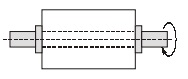
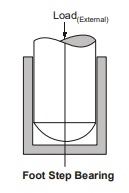
- Successfully constrained motion : When motion between two elements of a pair is possible in more than one direction but is made to have motion only in one direction by using some external means, it is called successfully constrained motion e.g. a piston in a cylinder of an internal combustion engine is made to have only reciprocating motion due to constraint of the piston pin (external), cam and follower, shaft in foot step bearing etc.
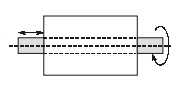
- Incompletely constrained motion: When the motion between the elements of a pair is possible in more than one direction and depends upon the direction of force applied, it is known as incompletely constrained motion e.g. cylindrical shaft in round bearing. Rigid, Resistant Body
- Rigid body: It does not suffer any distortion, under the action of force.
- Resistant body: Those body which are rigid for the purpose they have to serve for e.g. belt drive, where belt is rigid when subjected to tensile forces.
<< Previous | Next >>
Must Read: What is the Theory of Machines?
Dear Aspirants,
Your preparation for GATE, ESE, PSUs, and AE/JE is now smarter than ever — thanks to the MADE EASY YouTube channel.
This is not just a channel, but a complete strategy for success, where you get toppers strategies, PYQ–GTQ discussions, current affairs updates, and important job-related information, all delivered by the country’s best teachers and industry experts.
If you also want to stay one step ahead in the race to success, subscribe to MADE EASY on YouTube and stay connected with us on social media.
MADE EASY — where preparation happens with confidence.

MADE EASY is a well-organized institute, complete in all aspects, and provides quality guidance for both written and personality tests. MADE EASY has produced top-ranked students in ESE, GATE, and various public sector exams. The publishing team regularly writes exam-related blogs based on conversations with the faculty, helping students prepare effectively for their exams.